

Composition: Crafting Original Soundscapes Across Genres
Students learn to compose, arrange, and orchestrate music for various contexts—concert performance, film, digital media, and interdisciplinary installations. This includes instruction in Western tonal theory, jazz harmony, counterpoint, world music scales, and modal systems.
Learners compose using notation software as well as MIDI sequencers, and they frequently collaborate with filmmakers to score original films, advertisements, or animated projects, developing a keen sense for narrative-driven music. They explore compositional styles from global cultures, integrating indigenous rhythmic cycles and melodic motifs with contemporary forms to create truly hybridised sound experiences.
Theory: Foundations for Musical Understanding
Music theory is taught as both a technical and expressive discipline. Students analyse works from classical composers, jazz artists, and non-Western traditions to deepen their understanding of form, harmony, rhythm, and texture. Instruction also includes aural skills training, sight-singing, transcription, and improvisation.
Theory is linked to production and composition projects, helping students to apply their analytical skills in real-world contexts such as arranging for ensembles, scoring multimedia projects, or designing soundtracks. Learners also engage with music through notation and digital interfaces, promoting fluency across traditional and modern methods.
History: Music Through Time and Cultures
Our music history strand emphasises the chronological and geographical evolution of music, examining key movements, genres, and innovators from diverse traditions. Units include Western classical periods, non-Western classical traditions (e.g., Carnatic, Arabic, Chinese), jazz, hip-hop, electronic music, and global popular music.
Students learn through interactive lectures, curated playlists, documentaries, and film screenings, exploring how music intersects with political movements, religious traditions, and social identities. Special modules address the role of music in film, tracing the history of soundtracks, musical storytelling, and the integration of historical context into audiovisual projects.
Music Production: Capturing and Creating Sound
The music production component empowers students to engage with the entire audio production chain, from recording live performances to mixing and mastering tracks. Learners gain proficiency in Digital Audio Workstations (DAWs) like Logic Pro, Ableton Live, and Pro Tools. They explore microphone techniques, signal processing, MIDI programming, synthesisers, field recording, and the integration of acoustic and digital sound sources.
Students also learn audio post-production for film, synchronizing dialogue, creating Foley sounds, and mixing for stereo and surround formats. Collaborative projects include producing soundtracks for student films, making beat tapes, or recording traditional music using professional-grade equipment, all while building a professional portfolio.
Music Business: Navigating the Industry Landscape
This strand offers critical insight into the structures and practices of the global music industry. Students explore copyright, royalties, licensing, publishing, contracts, branding, marketing, and distribution, both traditional and digital. Modules cover music monetisation on YouTube, Spotify, and sync placements in films and games.
As students produce their own compositions or collaborative film projects, they learn how to legally protect and promote their work. They also analyse case studies of music entrepreneurs, festival organisers, and independent labels, gaining real-world understanding of how artists and media professionals sustain creative careers.
Music Education: Shaping Future Generations
For those called to teach, our music education strand develops foundational knowledge in pedagogy, child development, curriculum design, inclusive strategies, and educational technology. Students design and deliver lessons for diverse age groups, practicing in schools, private studios, or community settings.
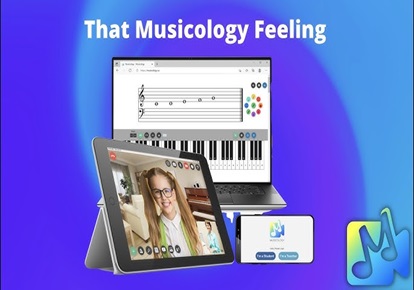
Emphasis is placed on integrating technology into teaching, including video tutorials, virtual music classrooms, and multimedia teaching aids. As part of their final projects, students create educational videos or full lesson sequences, using their editing and production skills to support engaging, accessible learning experiences.
Music Therapy: Healing Through Music
Students explore the therapeutic applications of music in healthcare, rehabilitation, and special education. Topics include psychological theories, music-movement integration, sensory engagement, and clinical improvisation. Practical training is guided by real-life case studies and supervised field experiences.
Students also design and produce therapeutic soundscapes, relaxation tracks, and adaptive music tools, employing their production knowledge to create resources for stress relief, neurodiverse learners, and mental health support programs.
Ensembles and Recitals: Community, Collaboration, and Confidence
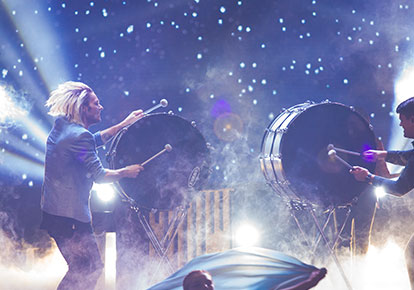
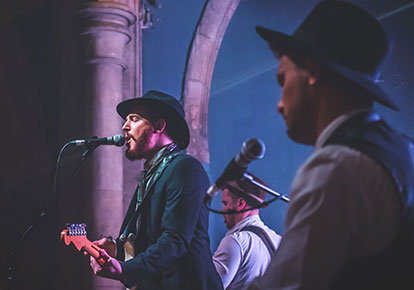
All students participate in ensembles that reflect both traditional and modern configurations—symphonic orchestras, jazz bands, choirs, electronic music collectives, folk ensembles, and fusion groups. These experiences foster ensemble discipline, communication, and cultural exchange.
Recitals and showcases provide opportunities for public performance, portfolio documentation, and peer feedback. Learners are involved in stage planning, lighting, video capture, and promotional materials, connecting the dots between performance, production, and audience engagement.
Conducting: Leadership in Sound
Students learn the art and science of conducting, including beat patterns, cueing, score study, rehearsal techniques, and expressive gesture. They practice conducting student ensembles, chamber groups, and playback ensembles synced with video.
Advanced students lead live ensemble recordings or film-scoring sessions, coordinating musicians, engineers, and directors. The course emphasises musical leadership, communication, and the synthesis of artistic and logistical planning.
Music Technology: Innovation in Sound Creation
Students explore how technology shapes music-making today. This includes the use of looping, sampling, audio programming, generative music systems, and interface design. Learners create sound installations, algorithmic compositions, or interactive media projects that fuse music, visuals, and audience interaction.
Modules may also include live coding, motion-sensor sound mapping, and experimental audio design, encouraging innovation and pushing creative boundaries.
Musicology: Interrogating Music in Society
This academic strand deepens students’ understanding of music as a cultural artifact. Topics include music and identity, diaspora, politics, gender, race, and globalisation. Students conduct ethnographic research, critical listening, and media analysis to examine how music influences and reflects society.
Assignments may include creating documentaries, writing critical essays, or curating online exhibits that blend scholarship with storytelling. Film and audio are used not only as subjects of analysis but as media of expression.
Filmmaking, Editing, and Production: Bridging Music and Visual Storytelling
Recognising the increasing fusion of music and visual media, students are trained in narrative storytelling, cinematography, directing, and video editing. Instruction includes storyboarding, camera operations, lighting design, and the use of editing platforms such as Adobe Premiere Pro and Final Cut Pro.
Students produce music videos, concert documentaries, artist interviews, and educational tutorials. Collaboration between filmmakers and musicians is integral, with shared projects fostering interdisciplinary creativity and deepening mutual understanding of timing, rhythm, and aesthetic impact.
Lifelong Learning: Empowering Future-Ready Artists
At the heart of our program is a belief in lifelong learning as a transformative practice. Students are encouraged to be reflective, adaptive, and self-directed learners. Whether pursuing advanced study, entering the workforce, or becoming community leaders, graduates leave with not only technical and artistic skills but also a mindset of curiosity, empathy, and resilience.
Workshops, mentorship programs, and alumni networks ensure that learning continues beyond the classroom. By integrating global musical traditions, media literacy, creative entrepreneurship, and critical inquiry, we empower learners to remain vibrant contributors to the world’s cultural landscape throughout their lives.





 20, Ogunseye Street, Off Ajilekege street, Idimu, Lagos, Nigeria.
 +2348034611715
  info@philmusicacademy.com.ng
 Copyright 2020 All Right Reserved By Philmusic Academy